

Introduction
A pedicle screw is among the most demanding components a medical device manufacturer produces. It must withstand years of cyclic spinal load, thread precisely into bone that varies from patient to patient, and remain within a few millimeters of nerve tissue during placement. This combination of tight biomechanical tolerances, hard-to-machine materials, and low-volume, high-mix production schedules is what makes selecting a contract manufacturer an engineering decision as much as a sourcing one. This whitepaper examines the design considerations behind pedicle screws and the precision manufacturing requirements involved in producing them.
What is a Pedicle Screw?
Definition and Function
A pedicle screw is a bone screw designed to pass through the pedicle, the narrow bony bridge connecting the vertebral body to its posterior elements, and anchor within the vertebra. It connects, via a rod or plate, to the rest of a spinal fixation construct.
Pedicle screw systems are widely used for posterior spinal fixation, providing stability while bone fusion develops across one or more vertebral segments. Typical indications include degenerative disc disease, spondylolisthesis, deformity, trauma, and tumor-related instability, subject to each system’s approved labeling.
The clinical margin for error is small. In a cadaveric study of 15 adult specimens, Ebraheim et al. (Spine, 1997) measured mean distances from the lumbar pedicle of 1.5 mm to the dural sac medially and 1.5 mm to the nerve root inferiorly. A screw that breaches the pedicle wall can therefore injure adjacent neural structures. This narrow anatomical corridor is why appropriate screw sizing and accurate placement are critical, and why consistent manufacture to the specified design matters just as much.
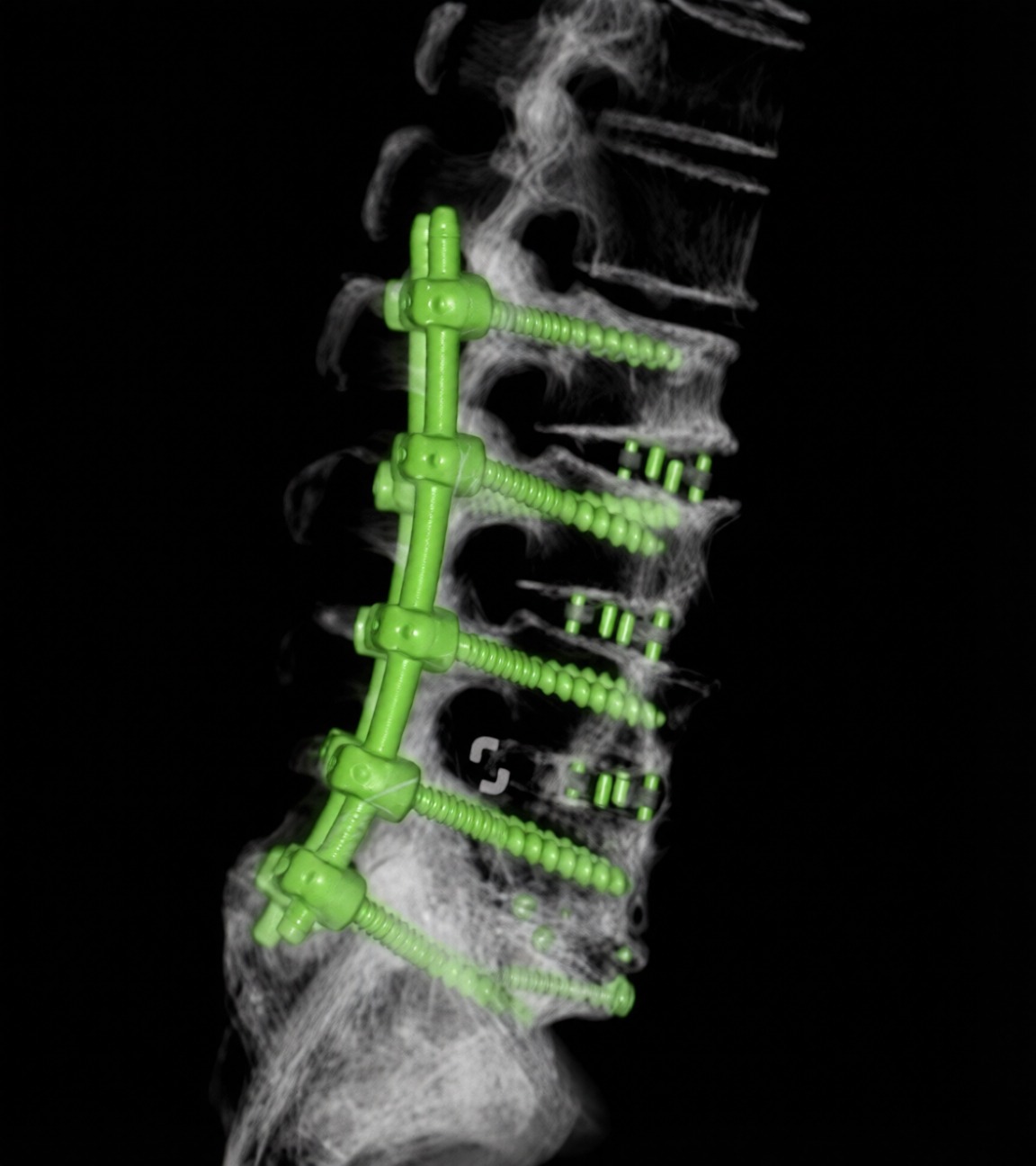
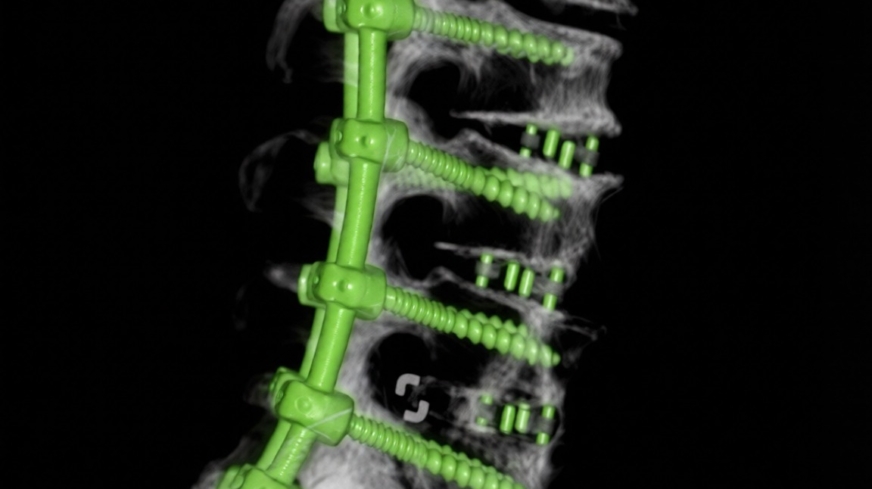
and rod construct spanning three vertebral segments.
Market Context
Pedicle screws and rods represent a major product category within spinal fusion devices. A Market.us report published in November 2024 estimated that they accounted for 46.5% of the global spinal fusion market in 2023, making them the largest product segment in that analysis. The report identifies an aging population and advances in minimally invasive techniques as factors supporting demand.
Regulatory Framework
In the United States, thoracolumbosacral pedicle screw systems within the scope of 21 CFR 888.3070 are classified as Class II devices, with device-specific special controls and an applicable FDA 510(k) clearance pathway. In the European Union, these devices fall under the Medical Device Regulation (MDR), with quality management and conformity assessment requirements determined by the device and the manufacturer’s role. ISO 13485 provides a widely used framework for medical device quality management; certification alone does not establish MDR conformity. Biological evaluation should follow a risk-based approach, taking into account the finished device, its materials, manufacturing processes, and the nature and duration of body contact. The FDA guidance on ISO 10993-1 describes this approach and the assessment of testing needs. Design changes, material substitutions, and finishing steps all need to be handled with appropriate documentation and traceability from the outset.
Design Considerations in Pedicle Screw Manufacturing
Before a single part is machined, the design of a pedicle screw system already determines most of what will make it difficult, or manageable, to manufacture at scale.
Screw Architecture
Modern systems are built around a set of recurring design choices, each with direct manufacturing implications.
Monoaxial versus polyaxial heads
Monoaxial screws have a fixed head-to-shank relationship, making rod alignment more dependent on screw positioning. Polyaxial designs allow the tulip housing to angulate relative to the screw shank before locking. This shifts complexity onto the manufacturing side through multiple mating components, assembly tolerances, and a locking mechanism that must hold under cyclic load.
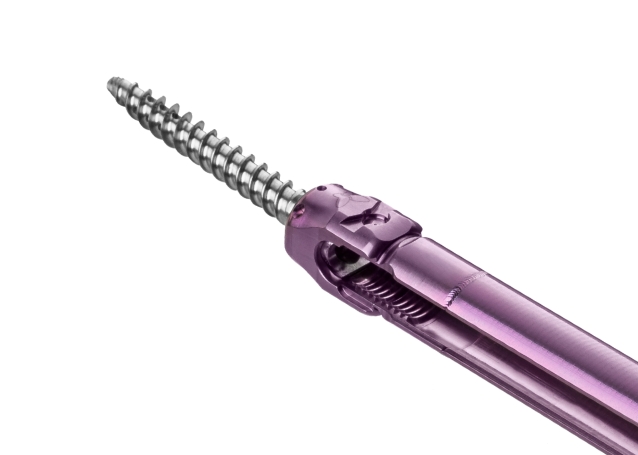
Cannulated versus solid screws
Cannulated designs allow insertion over a guidewire for minimally invasive procedures, but require an internal lumen aligned with the screw axis. Its diameter must accommodate the intended guidewire while preserving sufficient wall thickness and meeting the design’s mechanical performance requirements. Solid screws forgo the lumen entirely, which simplifies machining and retains a larger load-bearing cross-section for an otherwise equivalent screw geometry. They are commonly used in open procedures where guidewire insertion is not required.
Thread geometry
Dual-lead threads, variable pitch, and distinct cortical and cancellous thread profiles are used to tailor insertion characteristics and fixation performance to different applications and bone conditions. Their effects on pull-out strength depend on the complete screw design and the bone or test medium.
Each of these choices also affects downstream testing. ASTM F1717 addresses static and fatigue testing of spinal implant constructs in a vertebrectomy model. ASTM F543 includes methods for evaluating metallic bone screws, such as torsional properties, driving torque, and axial pull-out strength. ASTM F1798 addresses interconnection mechanisms and subassemblies. The applicable methods and acceptance criteria depend on the device and its intended use.
A change to thread form or head design may require repeat testing, based on an assessment of its impact on performance. This is one reason design and manufacturing decisions for pedicle screws are generally made together rather than in sequence.
Cannulated screws support guidewire-based percutaneous techniques, while fenestrated designs provide openings for cement augmentation where indicated. These features introduce additional manufacturing constraints without necessarily reducing the screw’s outer diameter. The broader drive to reduce implant and instrument dimensions without compromising performance is discussed in How Is Miniaturization Shaping the Future of Medical Devices.
Material Selection
Materials are selected upfront based on the clinical requirements, mechanical performance, and imaging needs of the product line. A system may combine different materials across its screws, rods, and locking components, while some screw designs incorporate a composite body and metallic features. The following options illustrate the trade-offs an OEM may consider across a pedicle screw system, with different implications for machinability, imaging, and biological evaluation:
- Titanium alloy (Ti-6Al-4V ELI, Grade 23): the industry standard, valued for its strength-to-weight ratio, corrosion resistance, and favorable MRI/CT compatibility. It work-hardens quickly, however, and is comparatively difficult to machine to tight tolerances.
- Cobalt-chromium alloys: offer higher stiffness and wear resistance, used selectively where additional rigidity is required, though they place greater demand on cutting tools than titanium.
- Carbon-fiber-reinforced PEEK (CFR-PEEK) with a thin titanium shell: reduces metal artifact on CT and MRI and improves radiotherapy planning accuracy for oncology patients. This design introduces a composite-to-metal interface that must be manufactured and bonded to a tightly controlled shell thickness, often around 0.1 mm.
These trade-offs mirror the broader material selection questions OEMs face across implant categories, discussed in more detail in Choosing the Right Materials for your Medical Device.
Dimensional Range
A pedicle screw system can cover a wide matrix of sizes to fit different vertebral levels and patient anatomy. Depending on the product family, this may include:
- Diameters of approximately 4.5–8.5 mm, as documented for the S100 Pedicle Screw System, with smaller or larger options in other systems.
- Lengths of approximately 30–60 mm, often in 5 mm increments, with other lengths available for specific applications.
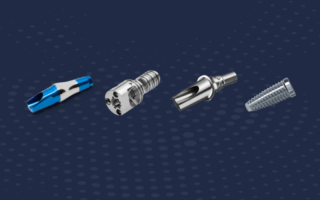
- Monoaxial, polyaxial, and reduction head options, alongside solid, cannulated, or fenestrated screw configurations.
This matrix represents the real design challenge for a contract manufacturer: rarely a single part to control, but dozens of variants that must each meet their specified requirements. The verification strategy should justify which configurations are tested, including relevant worst-case designs, rather than assume that every variant requires an identical test program.
Precision Manufacturing Requirements
Pedicle screw design becomes clinically usable only once it can be manufactured consistently to its specified requirements. The manufacturing process itself is therefore an important part of the device’s safety profile, alongside its geometry and intended use.
Why Tolerances Matter Clinically
Thread pitch accuracy, core and outer diameters, cannulation alignment, and mating dimensions all require control appropriate to their function. Tolerances must be established feature by feature, based on design requirements, assembly behavior, mechanical testing, and risk analysis. The anatomical clearance around a pedicle does not, by itself, define an acceptable manufacturing tolerance. Dimensional variation can affect thread engagement, insertion behavior, wall thickness, and the fit of locking components. The significance of a given deviation depends on the feature and the complete system, which is why dimensional requirements should be linked to functional verification.
This kind of dimensional control and its effect on device performance more broadly is covered in Medical Precision Machining: How Tight Tolerances Impact Medical Device Performance.
Manufacturing Processes
Producing a pedicle screw to these tolerances typically involves:
- Swiss-type CNC turning: the standard process for the screw shaft and thread, well suited to the long, slender geometry and tight diameter tolerances involved.
- Multi-axis milling: used for the tulip housing and other non-rotational features, particularly on polyaxial designs where multiple angled surfaces must align precisely.
- Thread grinding or thread rolling: selected depending on the required thread profile, surface integrity, and fatigue performance targets.
- Deep-hole or gun drilling: required for cannulated screws, where maintaining lumen concentricity over the full screw length without deflecting the tool is one of the more demanding operations in the process.
Surface Finish and Passivation
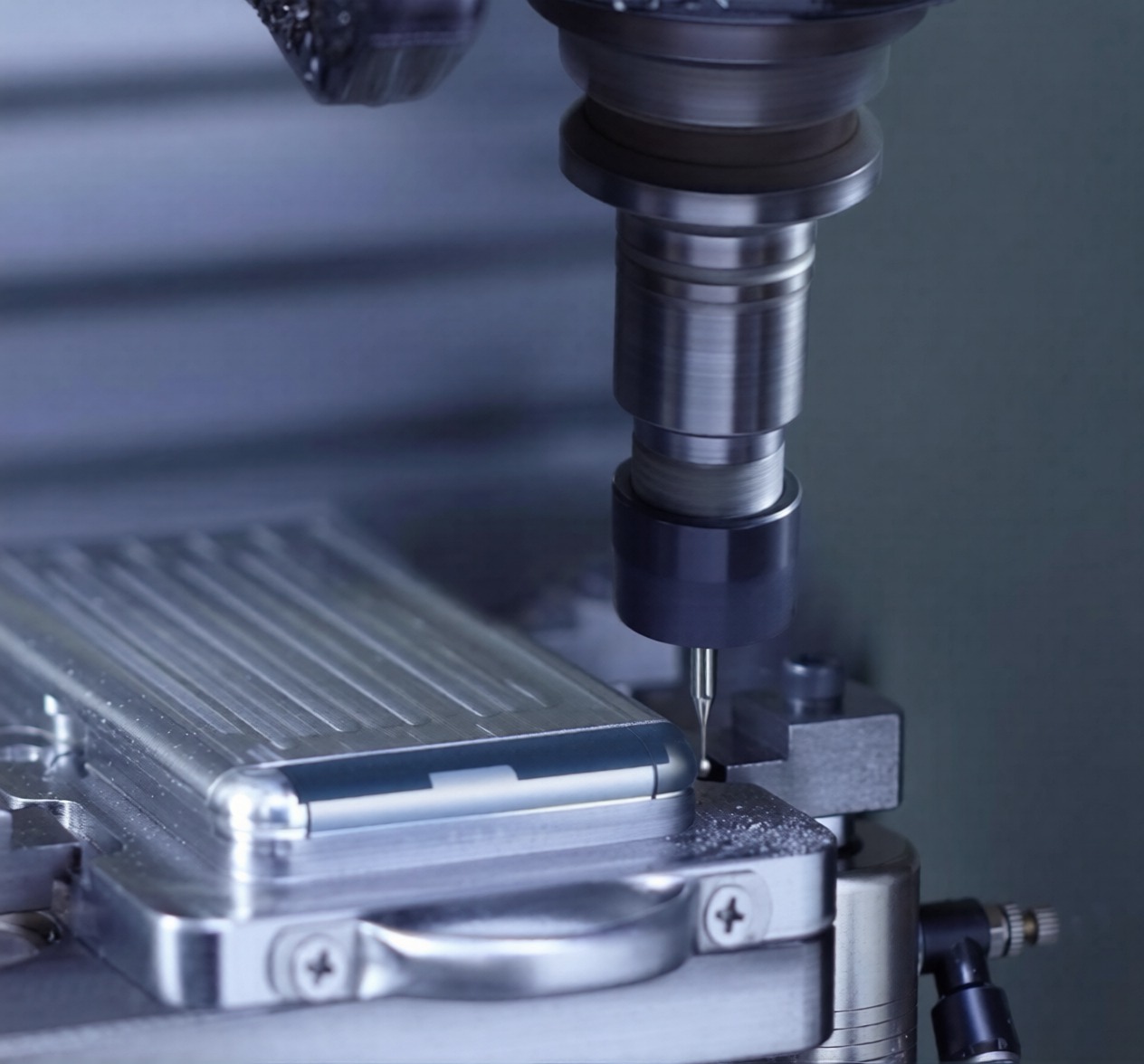
Surface condition affects fatigue performance and biological evaluation. ASTM F86 addresses surface preparation and marking of metallic surgical implants, including treatment to minimize surface contamination. Cleaning and passivation procedures must be appropriate to the alloy and the finished device. Polishing or electropolishing may be selected where a smoother surface is required, while other regions may have intentionally textured or coated surfaces. Finishing operations must preserve the specified thread geometry and dimensions. A treatment suitable for one component or alloy should not be assumed suitable for every pedicle screw design.
Metrology and Traceability
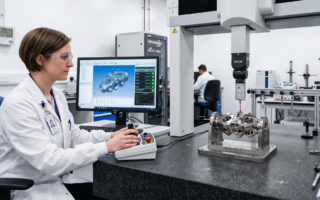
Given the tolerances involved, in-process and final inspection are non-negotiable. Critical dimensions are checked with CMM and optical comparators. Full lot traceability back to raw material heat and mill certificates is also required, under both FDA quality system regulation and ISO 13485.
Conclusion
Pedicle screw manufacturing brings together the challenges explored throughout this whitepaper: demanding materials, complex geometries, functional tolerances, and a wide range of product variants. Meeting these requirements consistently depends on close coordination between design, machining, finishing, and quality control from the earliest stages of development.
For OEMs, selecting a contract manufacturer therefore involves more than assessing general precision machining capability. The production partner must understand how individual features contribute to the performance of the assembled system and translate those requirements into repeatable, documented processes. Key criteria include:
- Demonstrated experience with the materials and component types specified for the program, such as titanium, cobalt-chromium, or PEEK, and with composite-to-metal interfaces where applicable.
- Metrology and appropriate process validation capabilities to support a multi-variant product family.
- Material traceability built into the quality system.
- The capacity to scale from prototype to production through controlled process transfer, with changes assessed for any necessary revalidation.
These criteria sit within a broader evaluation framework that applies across implant categories, outlined in more detail in How to Choose a Medical Device Contract Manufacturer: 10 Key Criteria..
Acrotec Medtech‘s companies manufacture components for spinal and orthopedic implants, with capabilities spanning CNC turning and milling, surface treatment, and assembly. Across the group, teams work with materials including titanium, cobalt-chromium, and PEEK, supporting OEMs from prototyping through production according to project requirements.
GET IN TOUCH:
To discuss how Acrotec Medtech’s engineering and manufacturing teams can support a pedicle screw program, contact us to review your specifications.